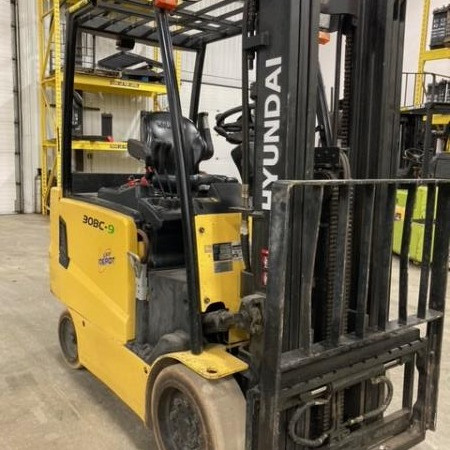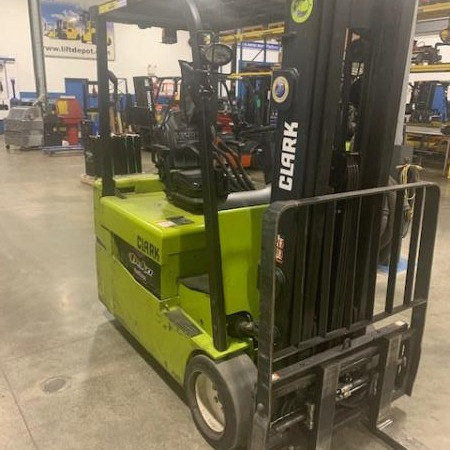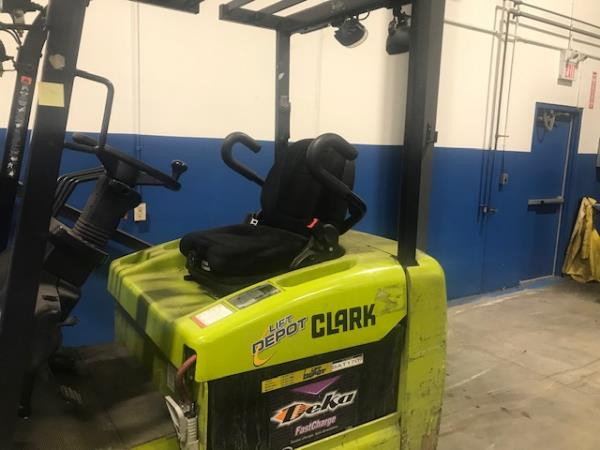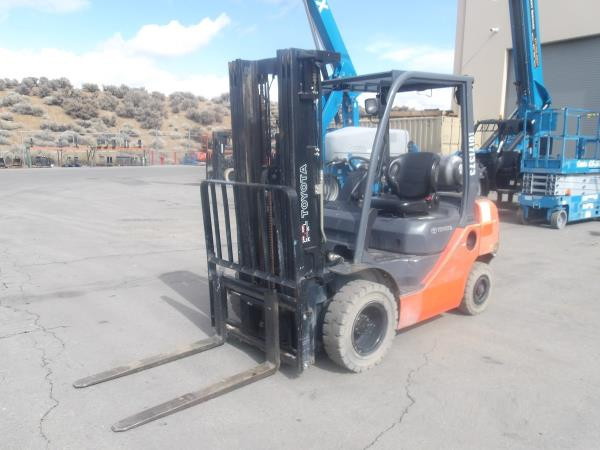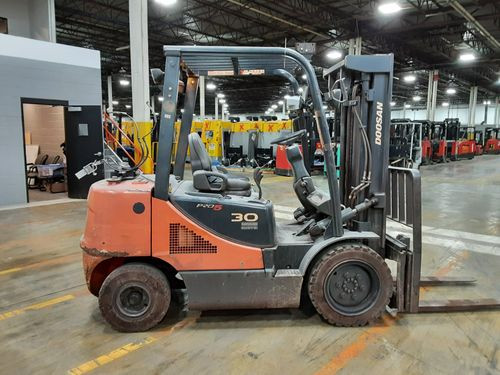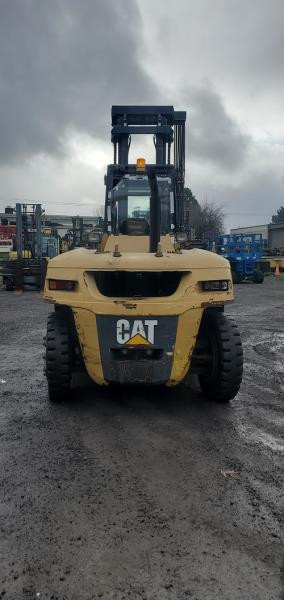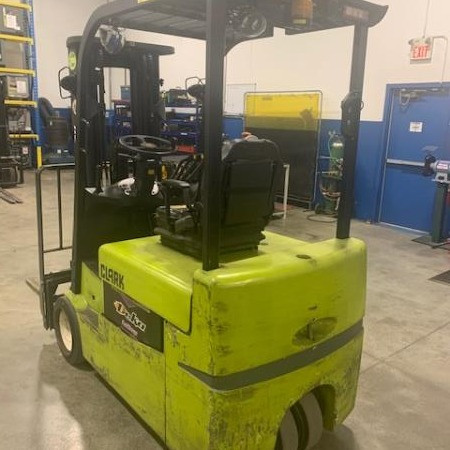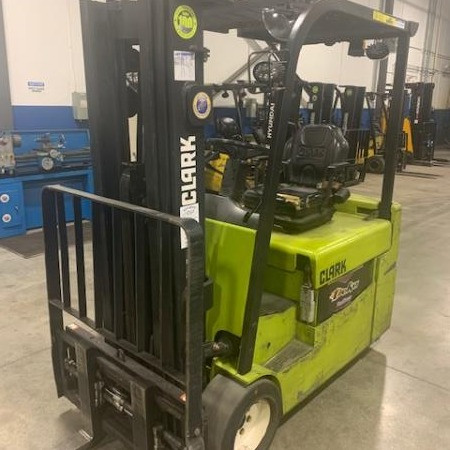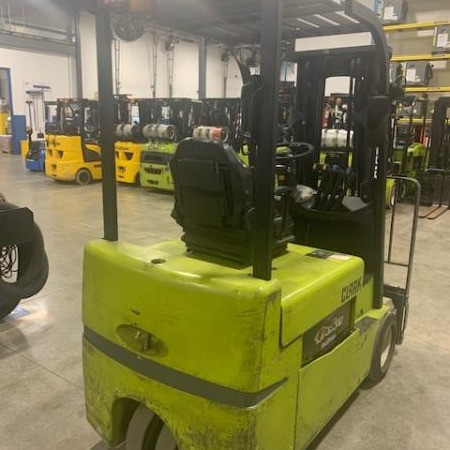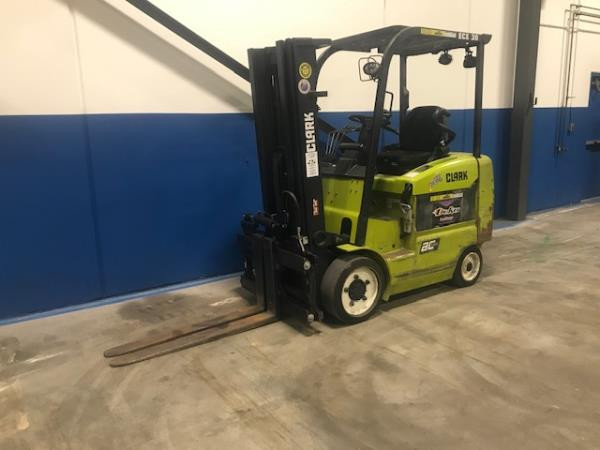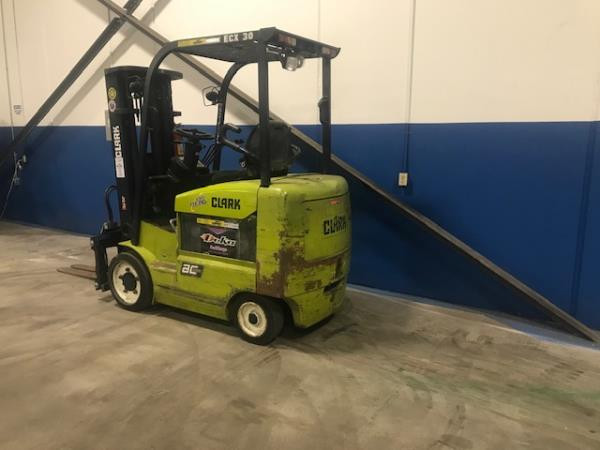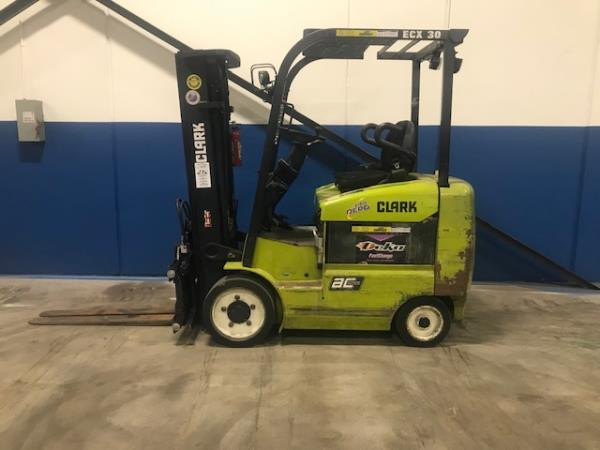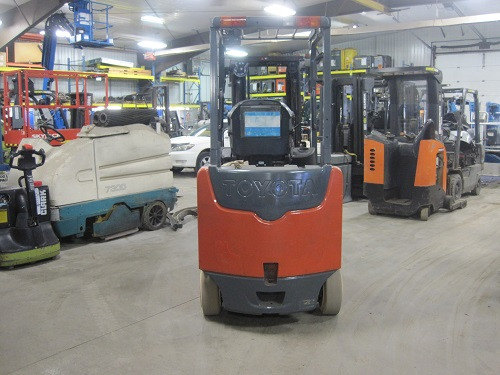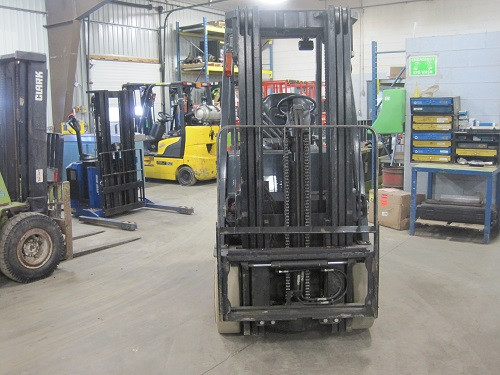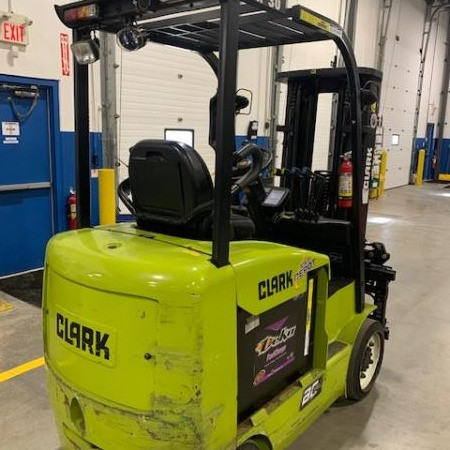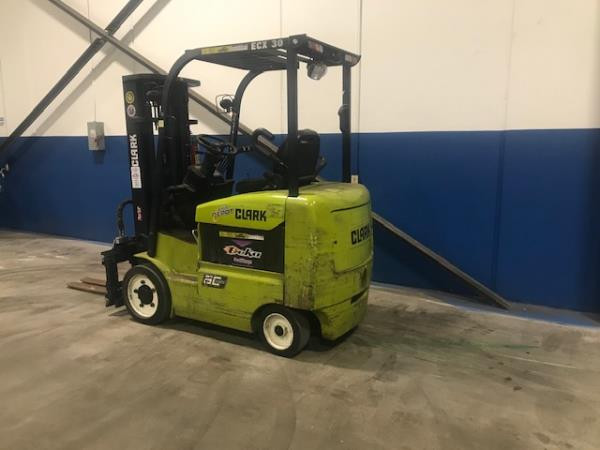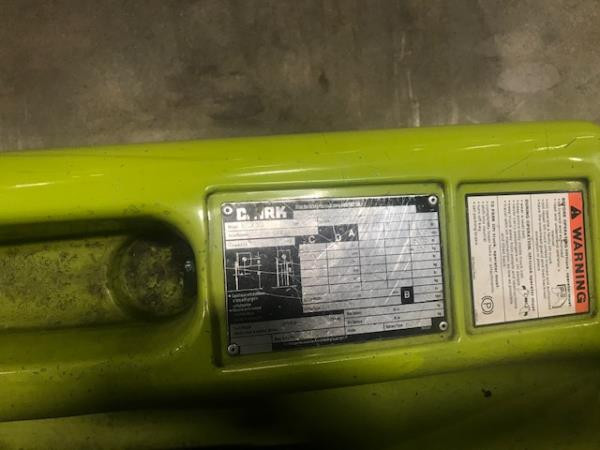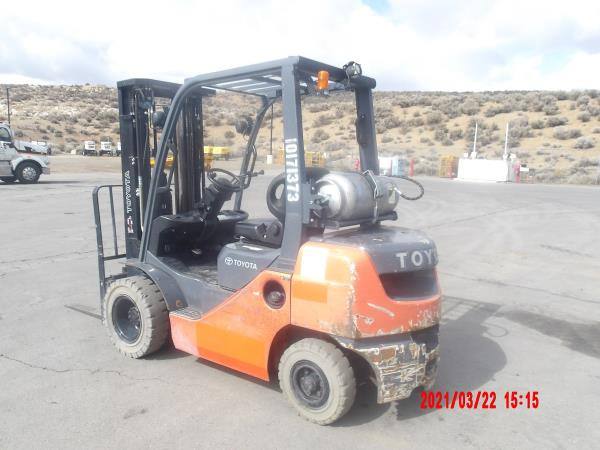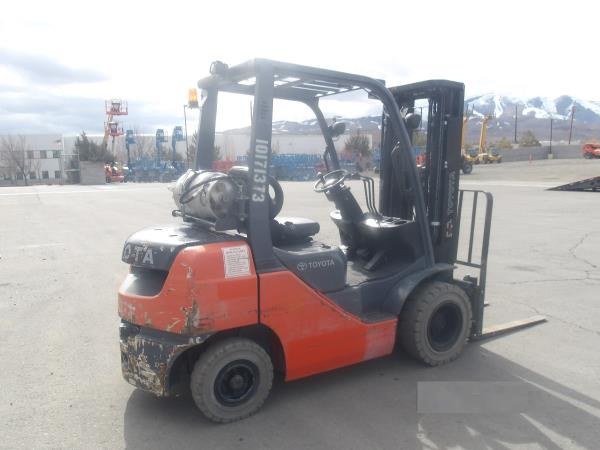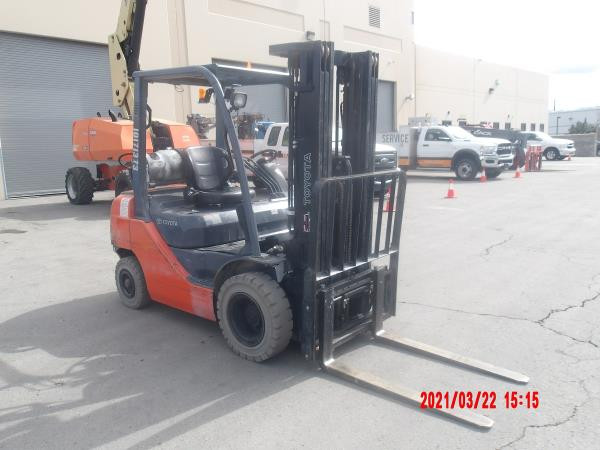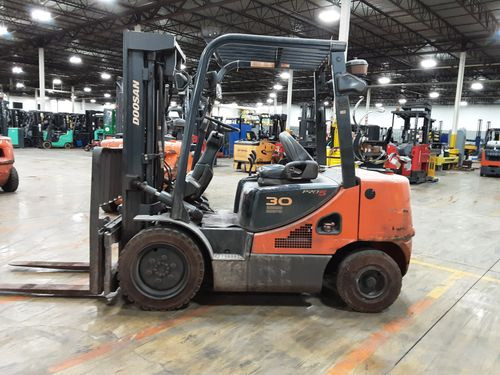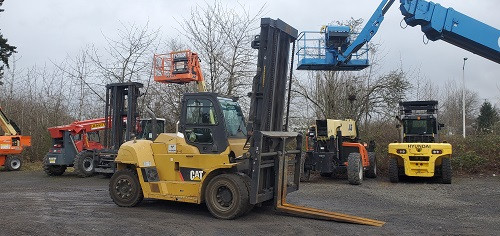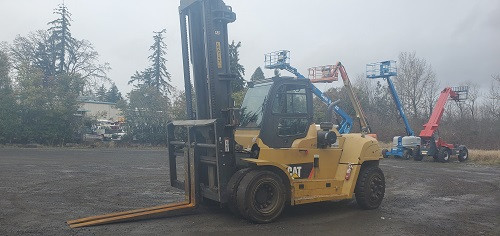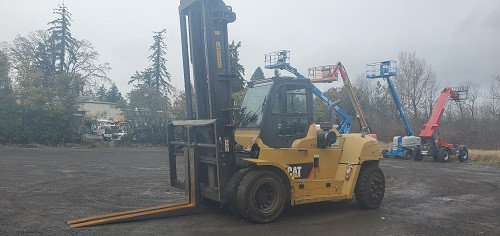


Used Forklifts Maine - The task of a forklift driver is to be able to move materials from one location to another, usually in warehouses and factories. Operators require particular training, which is commonly provided by the workplace. Prospective operators should pass both a background check and a drug test. A forklift driver's responsibilities consist of carrying out daily functionality and safety inspections. The Occupational Safety and Health Administration mandates that all types of forklifts be checked before use. The operator should inspect the forklift again after the shift. Yearly safety training is an important part of a forklift operator's job description. To unload and load supplies and to stack products in a timely and efficient manner, forklift drivers utilize the forklift controls. A forklift driver's tasks comprise weighing the materials they are moving, and logging the weights. Quality control is one more important part of the forklift driver's job. This includes ensuring orders are right and making certain the materials do not sustain damage during the moving process. Caring for the forklift battery helps ensure a long life span for the unit. Care and maintenance procedures include inspecting the water level within the battery about every five charge cycles, being careful not to overflow the water while filling the cell to just over the visible protector, and cleaning up any spills. When a forklift battery is charging, never interrupt the cycle. Personal Protective Equipment is required when performing work on the forklift battery, like checks of water levels. Both eye protection and hand protection should be worn, and a fire extinguisher and acid spill kit must be available. Forklift operators should observe safety rules at all times. The charging area should be kept ventilated and clear of open fire. A forklift operator certification which includes both classroom study and practical evaluations is required by the Occupational Safety and Health Administration or OSHA. The three-year certification is not transferable; if switching employers, operators must become recertified. 1,800 kilograms to 2,200 kilograms is the load capacity of a conventional forklift. Higher load capacities up to and beyond 9,000 kilograms are available in several units. A forklift's load capacity depends on the unit and its attachments and options. Caterpillar Inc. is a well-known manufacturer of construction and mining equipment, industrial gas turbines, diesel and natural gas engines and diesel-electric locomotives. Caterpillar has many products that are sold under various brand names including: CAT, Caterpillar, MAK, EMD, MWM, Solar Turbines, SEM, Progress Rail, Perkins and FG Wilson. Caterpillar concentrates on numerous industries including Construction, Energy & Transportation, Resource Industries and financial solutions, in addition to a variety of operating segments. The bulk of the fleet is organized by way of a expansive network of dealerships that serve 190 countries internationally. All Toyota equipment and components manufactured within North America adhere to the International Organization for Standardization or ISO 14001 standard. The Columbus TIEM plant has been honored on many occasions for its commitment to relentless progress and its environmentally friendly systems. It is the first and only manufacturer to offer EPA and CARB-certified Compressed Natural Gas powered lift trucks on the market. For instance, the Toyota 8-Series IC lift vehicles emit 70% less smog forming emissions than the current centralized EPA standards and have complied with California’s strict emission standards and policies. Jungheinrich is currently one of the top suppliers of material flow technology, warehouse technology and lift trucks throughout the globe. They rank 1st within Europe for system technology. The business offers a complete product range of rack systems and material handling equipment and services from a manufacturing logistics service provider. Jungheinrich is the 3rd biggest supplier of lift truck trucks for the materials handling business. They realized their incredible growth due mainly to their technological innovations and quality lift truck designs. They have developed a host of ergonomic and productivity improvements for their fleet and introduced a proprietary 3-phase AC motor and controller technology. Jungheinrich has more than 300 dealer and service facilities strategically located throughout Canada, the USA and Mexico. The company is proud to simplify your material handling needs by offering customized solutions. Jungheinrich provides an extensive line of lift trucks which perform outstandingly in a variety of applications. These machines are well-suited to carry out tasks in a diverse setting. They can complete order picking, food processing, warehousing and stacking applications with ease.
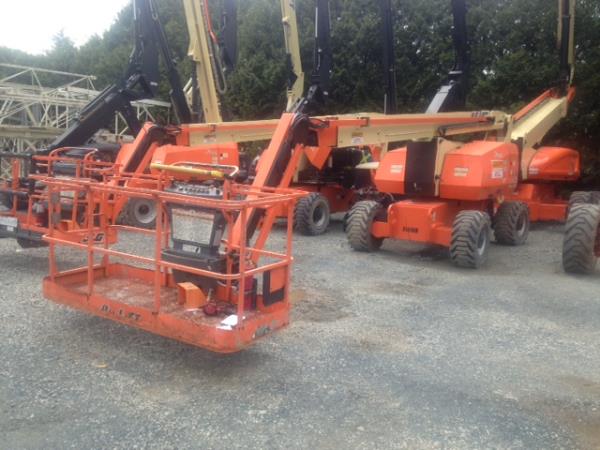
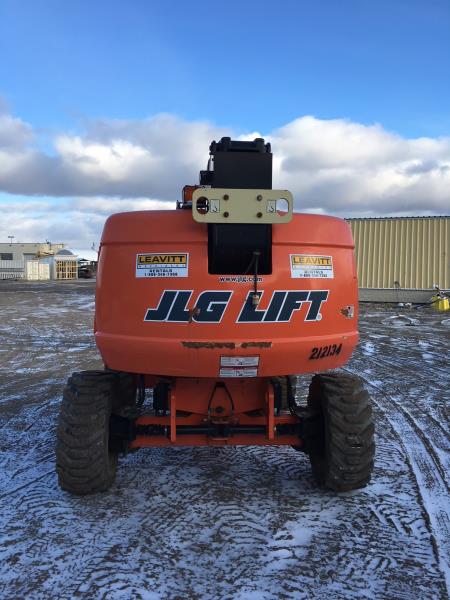
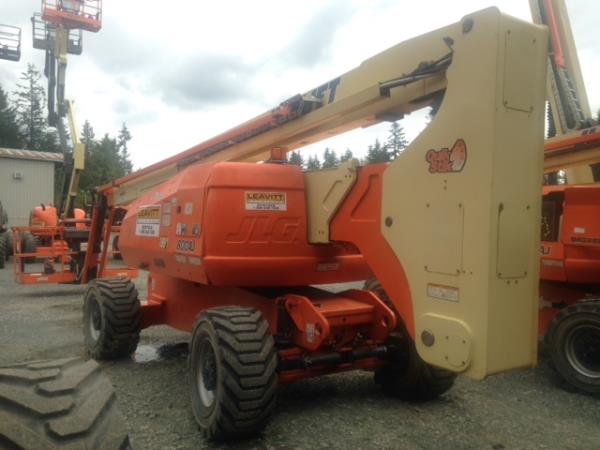
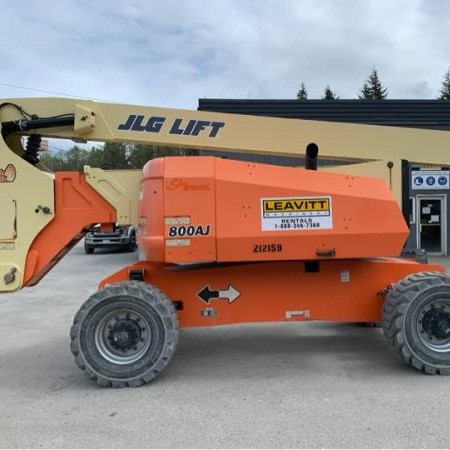
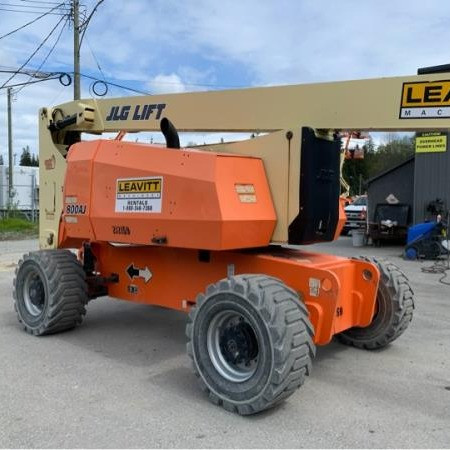
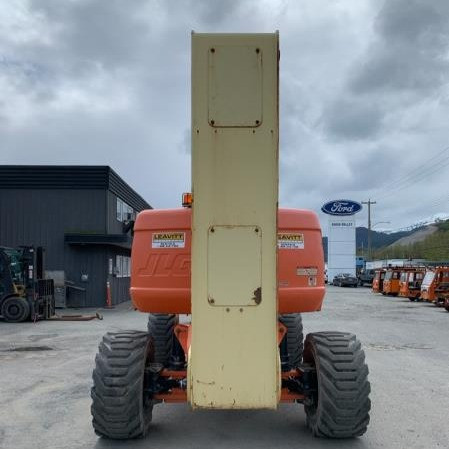
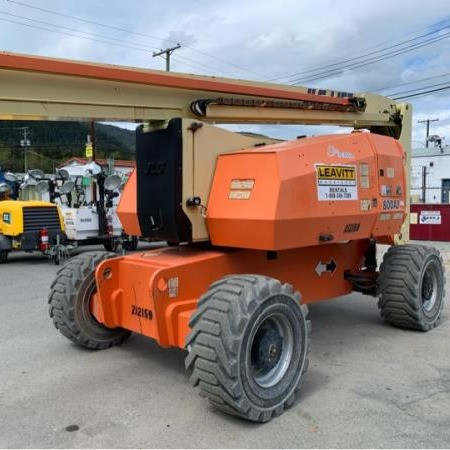
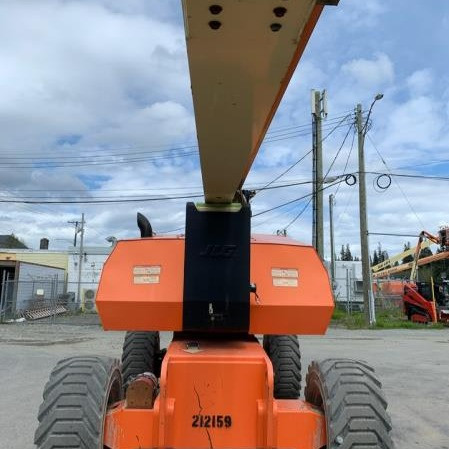
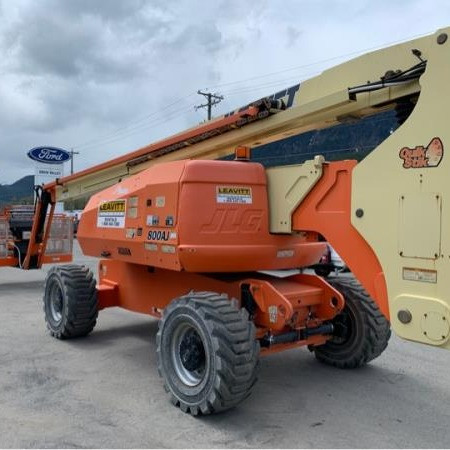
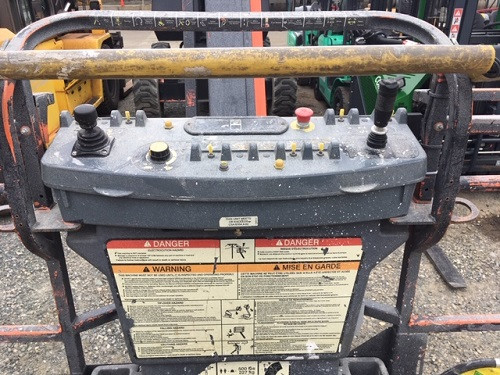
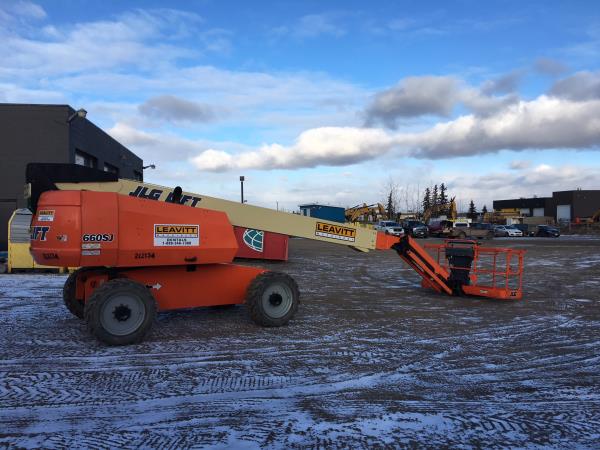
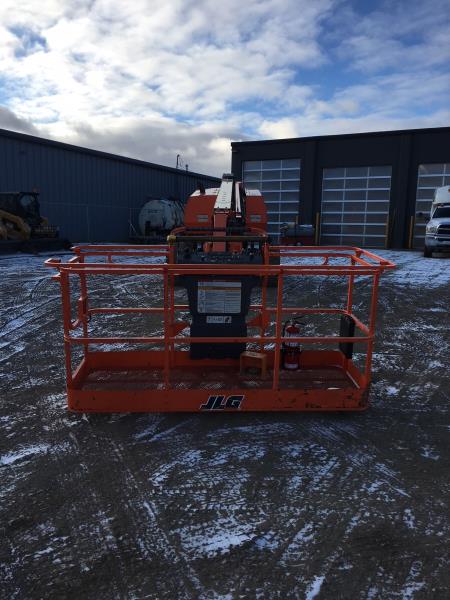
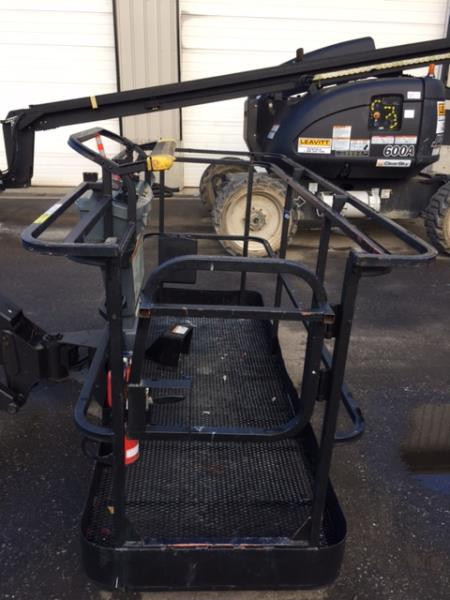
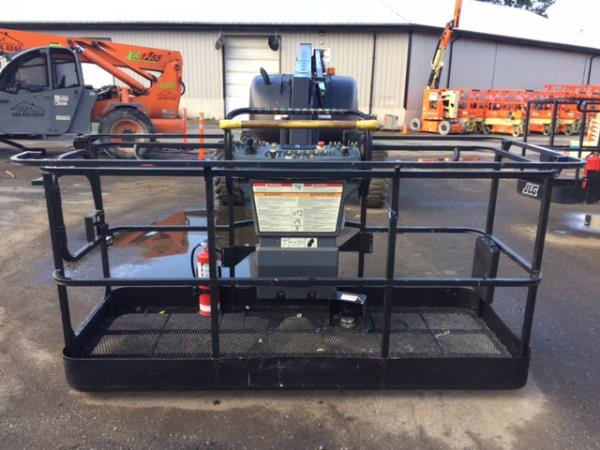
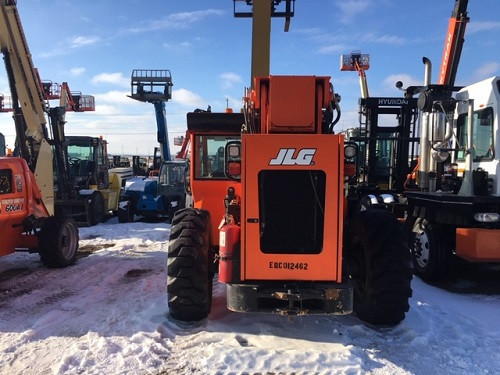
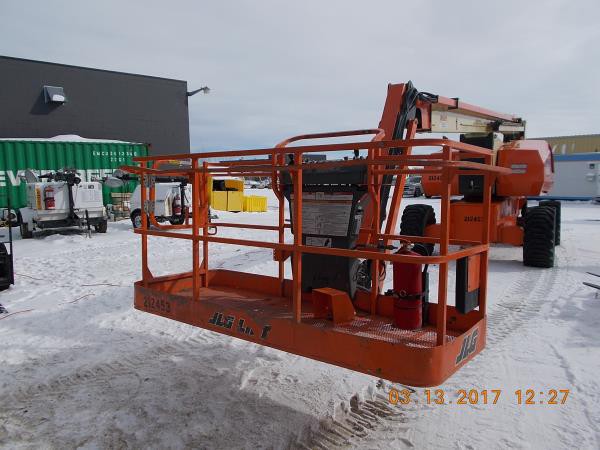
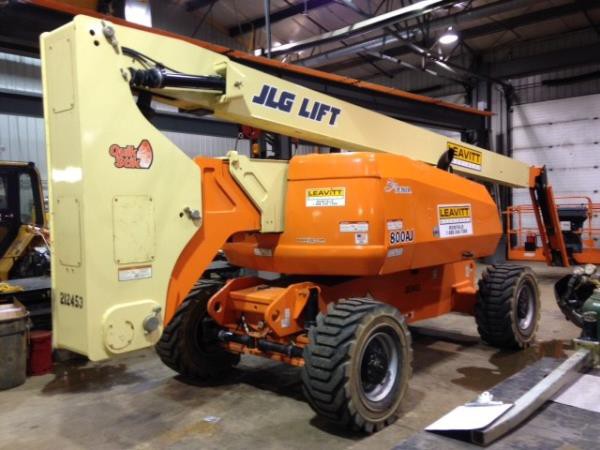
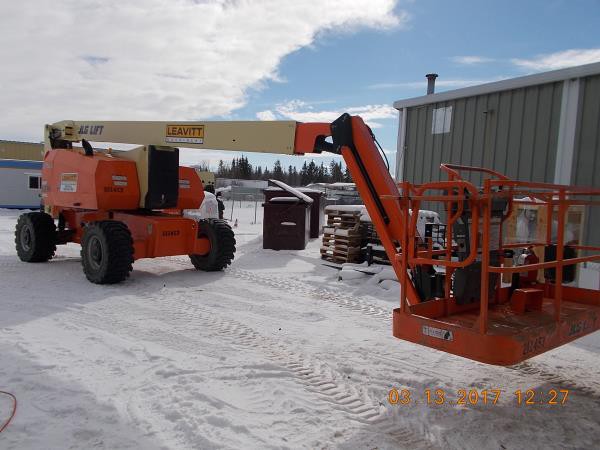
JLG: JLG Zoom Boom Maine - To handle all of your rough terrain challenges, JLG provides the 400 Series and its fastest drive and lift speeds in its class which will ensure a boost in productivity. You will be able to get as much as 3.5 feet or 1.07 m of more reach and get to work fast. The Semi-Track option offers enhanced traction with the floating idler system. The Control ADE system will allow you to modify your function speeds too. Customer-preferred controls would help operators spend far less time learning to use the platform controls that will ultimately mean fewer switches and buttons which are utilized on the platform. The exclusive Control ADE system improves machine maintainability. There is an engine swing-out tray to offer greater serviceability access. Select a unit with an on-board Miller welding system for tasks which require frequent welding. Conquer Tougher Terrain and Higher Challenges The reliable and strong 600 Series enables you to conquer all of your worksite challenges easily. The JLG 600 Series offers the industry's highest platform capacity of 454 kg or 1000 pounds. Moreover, these models feature the largest work envelope to provide improved access. Rough terrain, mud and sand are really not a problem for the standard oscillating axle and the 45% gradeability. Some of the extras comprise a versatile articulating jib for a wider range of motion and a swing-out engine tray to allow easier access for routine maintenance and smoother machine functions. The 600 Crawler Series made by JLG would allow you to deal with the toughest jobs, especially when you require ultimate terrainability. With 454 kg or 1000 pound capacity, zero turning radius, enhanced maneuverability on soft surfaces and a crawler undercarriage, these types of equipment will get you to places which others simply cannot get to.
Crown: Crown Reach Forklifts Maine - In the beginning of the 20th Century, lift trucks were first introduced. They have come a long way ever since the first models. Their original purpose was to transport materials in an effective manner. This is still the main goal. There are an array of different types of lift trucks utilized in the material handling industry. Motorized Pallet Truck Rider Type The rider type of lift truck is a motorized kind of the pallet jack. This machine is commonly utilized to move pallet trucks over extreme distances, including movement between departments or storage areas. There is another version called the walkie version. This kind lacks the operator platform and the higher speeds. Low cost and hi maneuverability make these vehicles a wise option for operations where frequent load movement is required. Several of the common options consist of double pallet length forks that allow you to move 2 pallets in one trip. Electric Counterbalanced Lift Truck The Electric Counterbalanced Lift Truck is capable of racking and stacking loads, used to move pallet loads, as well as load trailers throughout a facility. This model has a wide array of attachments available and must have a wide aisle for turning. Internal Combustion Counterbalanced Lift Truck Internal combustion counterbalance lift trucks work quite like the electric lift truck. Propane models could be used both outdoors or indoors as long as there is adequate ventilation. Order Selector The order selector has been designed to move palleted loads into and out of selective racks. The VNA or very narrow aisle vehicles works in aisles less than six feet wide. These Order Selectors are also known as Order Pickers. Reach Truck The narrow aisle or very narrow aisle lift trucks are used mostly for racked pallet storage up to 8 to 11 feet. Double-deep versions load pallets 2-deep in special double-deep racking systems. These types of reach trucks are really effective and could make racked pallet storage a more streamlined process.
Daewoo: Daewoo Lift Truck Maine - Forklift Training and Forklift Safety: Forklift safety training is the employer's responsibility. It is in the employer's best interests to spend money on forklift training for all workers. Improperly operated forklifts can cause property damage. Companies can be sued if there are individuals who are injured. It's truly worthwhile to make certain that anyone operating a forklift is trained well to do so. The best way to guarantee safe forklift operation is to require each employee to attend a forklift training program. The basics of using a forklift must be learned by all the staff. Safety information must be provided in the form of handouts, and posted in posters and warning signs. The following are several essential forklift training and safety tips: 1) An employee can only use a forklift if she or he is qualified. Never take risks with such big machines. Forklift training should be taken really seriously. 2) Forklift operators must always utilize seat belts. Just because the forklift moves slowly doesn't mean that seat belts can be ignored. Accidents are less likely to cause personal injuries when seat belts are worn. 3) Establish a system for workers to report instances of mechanical problems or damage. As the employer, you have to create an effective and efficient reporting system that is easy to figure out. Staff must be trained properly in forklift basics so that they could detect and report problems when they occur. 4) Training staff to lean away from the turn, and stay in the cab even if there is a chance of overturning is very vital. Staff must not jump out. That's the best way to prevent serious injury. 5) Workers have to be trained to understand a forklift's weight capacity limit. A major cause of forklift accidents is related to tip overs caused by lifting very heavy loads. Staff should really know how much they can safely lift. A tip over can damage the entire forklift. Overloading is the biggest safety mistake an employee can make.
Komatsu: Komatsu Lift Trucks Maine - Originally from Japan, Komatsu is a major construction company and heavy machine manufacturer. They have been in business for more than 50 years and have built a solid reputation within the industry. Komatsu began to enter the United States market in the 1970s, when they started selling machines to construction companies. Those individuals searching for specialized machines in order to get certain jobs completed also bought from them too. One of the most popular pieces of machines made by Komatsu is their line of forklifts. These equipment are utilized to transport pallets and other heavy things. Forklifts made by Komatsu are popular for their bright yellow paint job. They have their trademark boldly showcased on the machine's side and they could be found being used throughout the world. The company produces a cushion forklift unit that is rated to handle loads up to 5000 lbs. Komatsu offers pneumatic forklifts as another excellent choice. They provide a lift capacity varying from 3,000 to 35,000 pounds. Each of these alternatives has been ergonomically designed and provide comfortable seating. Their work areas have less noise and vibration than various forklifts on the market. The corporation makes both electric and gas forklifts to be able to meet the personal choice of both operators and business owners. Komatsu introduced a new hybrid in 2008 to their forklift series. Being outfitted with the most current technology made it a much more energy efficient choice. It just requires a 1 hour charge to provide roughly 11 hours of operation time. This makes it a great option for businesses that have many shifts of operations crews. The company, Komatsu also sells used machines. The corporation additionally offers their clients with financing options, making buying such a large equipment such as a lift truck a bit easier and more accessible for a lot of individuals and companies. Komatsu Forklifts offers a huge selection of accessories to equip the forklifts. These different attachments allow the machine to cater to many different tasks. It is very useful to be able to modify the forklift in order to finish particular tasks. By using one machinery with various attachments, the job can be completed correctly the first time and it could be finished effectively. Only needing one machine to be able to finish a job could save businesses thousands of dollars. Komatsu is really happy to offer business owners and individuals the necessary forklifts to finish their tasks.
Mitsubishi: Mitsubishi Cushion Tire Forklifts Maine - In order to operate any type of lift truck, certain OSHA requirements have to be met. Several businesses provide basic awareness training to other people such as visitors and office employees or sales people and other non-operators who may venture into the warehouse or yard. Even though OSHA doesn't specifically deal with forklift pedestrian training, the OSHA General Duty Clause dictates that employers should take measures in order to protect employees from certain dangers, like for example pedestrians exposed to lift trucks in motion. A big concern which will have to be addressed is pedestrian safety. According to the NIOSH or the National Institute for Occupational Safety and Health; approximately 20% of all forklift mishaps consist of a pedestrian being struck by a forklift. This statistic translates to around 19,000 people each and every year. In order to keep everybody safe, there are some basic steps that should be taken into consideration. This is regardless to how frequently or briefly people are around industrial trucks during their work day. One of the major factors is that lift truck pedestrian mishaps normally happen in situations where the pedestrian is ignorant of safety precautions. Problems also occur more often when the pedestrian has become used to frequent interaction with forklifts and ends up complacent. There are some common situations to look out for in order to prevent placing yourself at possible risk from being struck by a forklift. Pedestrians not seeing the forklift is a common issue that needs to be dealt with. Lots of operations have different degrees of intersections or blind corners that pedestrians have to be aware of. At times pedestrians do not hear the lift truck. Be careful of the various kinds of power sources. Like for instance, electric trucks can be much quieter compared to IC engines that are really loud. The other major issues are when pedestrians come in too close proximity of the equipment. Common sense tells us that in order for a pedestrian to be injured by a lift truck, the pedestrian needs to be near to be struck. For a lift truck that is working, a four foot safety zone is recommended so as to make a safe perimeter for everyone. This helps to address risks like for example the model accidentally driving over the foot of a pedestrian. Implementing and following strict safety protocol helps to make sure that the workplace safety remains paramount and stays top notch.
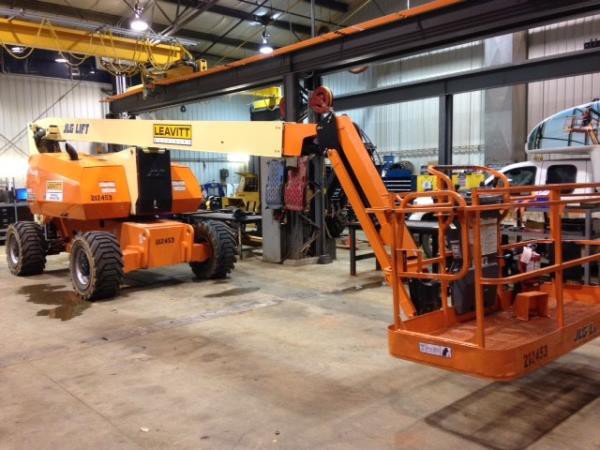
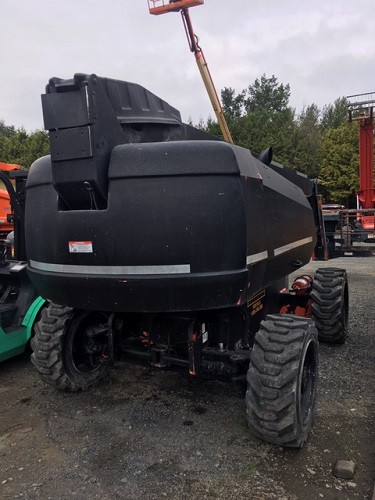
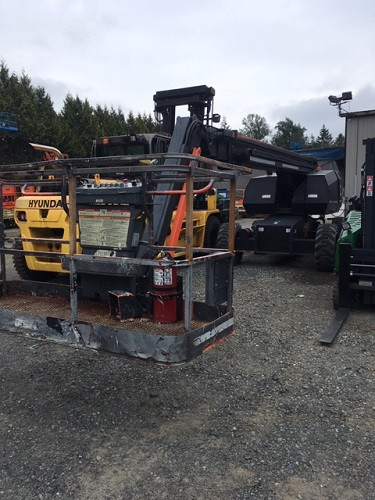
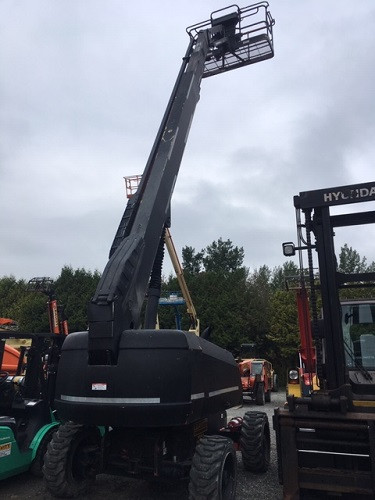
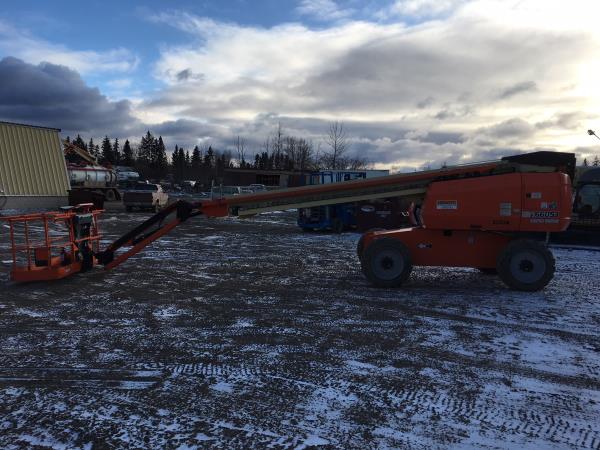
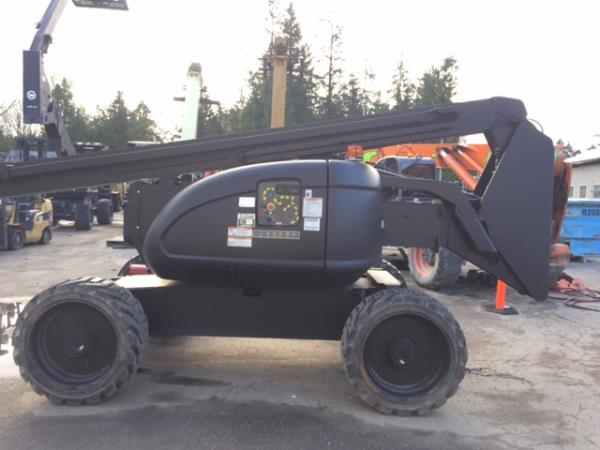
Skyjack: Skyjack Articulating Boom Lifts Maine - What Is an Articulating Boom Lift? The articulated boom lift is a heavy duty equipment capable of performing a wide variety of tasks from construction applications to electrical repair. These extremely maneuverable lifts make working at heights much efficient and safer. Height Articulating booms are also called knuckle boom lifts. These machines could reach heights from 36 feet to 131 feet, depending on the model of the specific lift. Design Articulating boom lifts are designed with many bending elbows. These are in conjunction with extendable arms that enable the articulating lifts to reach over things and outwards and also upwards. Telescoping vs. Articulating Both telescoping or straight boom lifts could work at heights from 46 to 86 feet. Unlike articulating lifts, these ones do not have elbows and extend in a straight line. This simplifies some of the lift training but also restricts the areas that could be reached with it. Advantages The articulating boom lift design makes them the most able to negotiate around obstacles and objects. These lifts are available in electrical models, have zero tail swing and are convenient for indoor use. These particular kinds of lifts are perfect for crowded work situations. SJ 46AJ Skyjack has made the A-Series Articulating Boom with many of their most reliable and effective design features. The SJ 46AJ offers an industry leading, 360 degree continuous turret rotation which is standard equipped. Due to the turret design allowing for easy operation in tight spaces, this particular model offers zero tail swing also. Skyjack is known for offering positive traction and extreme terrain ability. These features are offered by the axle based 4WD, that is offered in many of Skyjack's product designs. These machines are known for having a reliable and rugged drive train and proven low maintenance. Furthermore, the AJ has been designed with a rear axle hydraulic differential lock and unlock switch. This allows the operator to lock the rear differential when traveling on rough terrain.
Nissan: Nissan IC Forklifts Maine - The Platinum II IC or Internal Combustion engine forklift gives greater horsepower and torque suitable for numerous tough outdoor or inside environments. This machinery is capable of maintaining high productivity and keeping your operation running smooth. The Platinum II can be run by Liquid Propane, Gas, Dual Fuel with Gas/LP or Diesel. The fuel management system LP/Gas provided by Nissan optimizes engine operation in order to provide reduced exhaust emissions and great fuel economy. Like the car engine, the IC or internal combustion lift trucks burn fuel in engines. It is most common for these machines to be used for outdoor operations. This is due to electric models not being safe for use in the rain. Moreover, only internal combustion forklifts are able to handle the largest cargo. Like for instance, if you need over 15,000 lbs. capacity, you would definitely require an IC engine. Internal combustion lift trucks work on liquid propane, diesel fuel, gas or CNG which is compressed natural gas. Normally, the operating expenses are often lowest for diesel and highest for gasoline. CNG and propane fuels come in somewhere in the middle. Many people want their equipment based on existing vehicles and equipment available. For example, if you currently use diesel vehicles and have fuel storage, it makes sense to go with diesel lift trucks also. With their ability to refuel on the fly, the internal combustion lift truck provides a big drawback: they can simply be filled up with a new propane canister or at a gas pump and your forklift could continue to work in no time. These units are less expensive initially to purchase compared to electric lift trucks but actually cost more per hour to run. The internal combustion lift truck would stand up far better to misuse over the electric forklift units. Specifically, these machines are used to tow or push loads as opposed to driving and lifting. Normally, they have better accelerations and top speeds. In outdoor operation, this could truly be a big advantage.
Hyster: Hyster Dual Fuel Forklift Maine - At Hyster, we give much more than just product sales and manufacturing. Through our network of dealers you could find training services, capital procurement specialists, fleet managers, parts suppliers and a lot more. Our teams are devoted to providing you with the best possible service before, during, and after you rent, buy or lease any type of equipment. Hyster UNISOURCE Parts Program provides parts for all of your lift trucks. With more than two million part number crosses of most available brands of material handling and other in-plant mobile machinery and equipment, the UNISOURCE Parts Program could help you find the part that you require. If you're searching for remanufactured or refurbished components, UNISOURCE offers the same product guarantees and quality, just at a less price point. Through partnership with amongst the most widely well-known suppliers in the lift truck industry, we can stand behind each and every product with one of the best warranties that can be found in the industry. The line fleet management services offered by Hyster is top of the line, even though we recognize that in numerous cases, your whole fleet may not be Hyster. This is why we provide services to assess your whole fleet and make recommendations to keep all of your machines, Hyster or not, working smoothly. We could give advice on how to manage your lift truck maintenance schedule effectively and help you come up with a long term replacement plan when required. Our team is devoted to assisting you manage your fleet with the most cost-efficient available strategies.
Taylor: Taylor Cushion Tire Forklifts Maine - Buying Tips When buying a forklift, there is certainly a lot of factors to take into account since this decision can impact lots of things such as production, operating costs, equipment downtime, and even employee morale. Below is a short list of factors to consider when deciding on a brand new or second-hand lift truck. There are several particular questions the sales consultant must deal with to be able to help you select the best alternative that is right for your company. Step 1: Identify Your Requirements Taking the time to identify your requirements will help ensure that you can find a capable machine. What size are your standard loads? Are they 3,000 pounds to 35,000 pounds or even heavier? How many hours every day would you be using this machine? Will you be running the machine outdoors or indoors or potentially both? How wide are your narrowest aisles to travel through? Correctly answering these questions will ensure you are happy with the model you select. Step2: Second-hand Vs. New Lift Trucks You might want to purchase a new unit of forklift if you are planning to use your forklift for more than 4 hours a day. The warranty benefits alone will really be handy. A used alternative will more than likely be adequate for infrequent applications and light duty. Step 3: Fuel Options Typically, the huge batteries that power electric lift trucks can run for an 8 hour shift. The electric units are best suited for indoor use because they produce no harmful emissions. Even if electric models are normally more pricey compared to various other types of forklifts, they have lower operating costs. Electric lift trucks are a lot quieter to run and do not have fuel storage requirements to take into account. Additionally, these machines have fewer moving parts so they have a longer life span since they have fewer components to get worn down. One of the disadvantages of the battery operated forklifts is that they need battery recharging stations and this could take roughly 8 hours. There is an added 8 hours required for cooling. Recent changes have made their way onto the market so as to significantly lessen charging time. The fast-charge technology has become a great new thing. Step 4: Tire Choice Common forklifts utilize cushion tires made up of solid rubber or they will be equipped with pneumatic or inflated, air-filled tires. Some lift trucks will utilize a solid pneumatic tires, which is a combination of the two kinds of tire. The pneumatic tire type is great for outside use. Cushion tires are perfect for interior applications and solid pneumatic tires are the perfect alternative for hazardous work settings where there is a possibility for regular tires being popped by rough terrain or sharp objects.
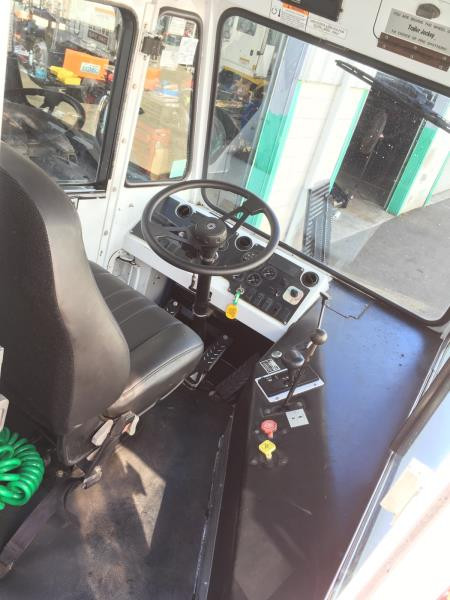
SVE Truck: SVE Truck Large Capacity Forklift Maine - The SVE Trucks are custom designed to suit your specific requirements. We have utilized years of expertise to engineer an extremely tough machinery that is designed with versatility and purpose in mind. Our manufacturing plant facilitates all of the steps from construction, fabrication, and welding. We utilize state-of-the-art methods and tools to carry out all painting and assembly. A SVE Truck will enable you to successfully complete all of your material handling applications. Our machines offer the operator with a perfect working environment. Moreover, our machines are completely designed for the purpose of working in a rough environment effectively and smoothly. A well thought out and balanced machine that provides utmost performance is a SVE Truck. Every SVE Truck is designed and made to be successful in the extreme operations wherein it will be operating. The business works really hard to find a delicate balance between the equipment itself, the operator's requirements and the best technology. These comfortable and durable machines have been made with safety in mind and want to make sure that all operators have a fantastic day while working. Fantastic design features, optimum visibility and smooth function control make these machines desirable and capable of performing even the most challenging tasks. The SVE truck is a time tested, meticulously designed, service friendly and really dependable. We make sure safety and comfort are in place for our operators. We believe our trucks will function for long term utilization and are committed to our customer's complete satisfaction. Each and every SVE built cabin has been specially engineered for operators. We believe in offering not only a multi-functional work setting, but allowing it to have the ability to adjust it to the person who is utilizing the machinery. This job is really one of our top priorities. We are really proud of our cabin designs that combine hi-tech features along with top-of-the-line ergonomics. The cabin is made to be a safe and comfortable place to operate in, while being able to reduce the stress and strain of the operator while they are working. These cabins offer great visibility by offering the largest window area. The operator has a clear and precise view of the load, the forks, the yoke and any attachments. The cabin is outfitted with additional windows situated at the bottom of the doors to provide the operator with a clear view of the working width available. It is these additional design features that have been implemented which sets SVE Trucks apart from other machinery.
Carelift: Carelift Zoom Boom Maine - Rough terrain forklifts have been manufactured by CareLift Equipment, since the year 1962. Every day the company strives to deliver value and help all their customers reach their objectives because they know the bottom line is performance and reliability. Boom lifts are available in 2 general types, the straight boom lift and articulated boom lift. Both these models are normally hydraulically powered. Most often straight booms are the great choice for jobs which require a high reach with no obstructions. The turntable on the machinery is capable of rotating 360 degrees with an extendable boom. This extendable boom is able to be raised vertically to below horizontal. Because the operator is able to steer and maneuver the vehicle whilst the boom is fully extended, it is a really versatile machinery. These models come in propane, gas or diesel configurations as well as 2 wheel drive or 4 wheel drive. The articulated boom lifts are used for tasks which require to reach up and over obstacles in order to gain access. These specialized lifts are used for jobs that are not easily carried out by straight telescopic booms. These lifts are practically identical to the straight boom lift in the majority of aspects except in the boom's ability to articulate. There are various articulation points on the boom in order to allow it to bend in a variety of different directions allowing it to move around any objects easily in the work environment. Some heavy-duty boom lifts come equipped with outriggers so as to maintain stability whilst the boom lift is completely extended. The outriggers provide the operator with some extra safety and confidence. Correct training is necessary prior to utilizing boom lifts in order to ensure the operator, the jobsite and everyone working in the vicinity stays safe. Boom lifts enable tasks which used to require a lot more man power to be carried out in a much shorter time period. These machinery have changed the material handling business and have greatly increased productivity.
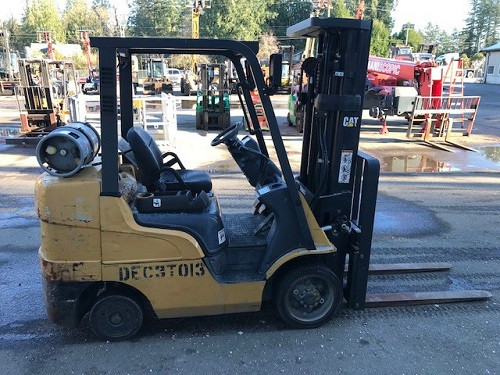
Caterpillar: Caterpillar Loaded Container Handlers Maine - Internal combustion counterbalanced lift trucks Internal combustion engine trucks are fueled by compressed natural gas, diesel, gasoline or liquid propane. Gasoline- or diesel-powered lift trucks are usually large trucks designed for outdoor use. They either have pneumatic tires suitable for driving on rough terrain and steep inclines, or cushion tires made of solid rubber suited to driving on floors indoors. Internal combustion counterbalanced lift trucks with cushion tires are categorized by the ITA as Class 4 trucks. Trucks with pneumatic tires are Class 5. Liquid propane is usually utilized to fuel indoor lift trucks. These types of trucks have some advantages. They are capable of achieving higher speeds and could provide consistent power during operation. They don't need to be refueled as often as lift trucks powered by other sources. Propane cylinders don't take up a lot of space and can be kept anywhere. The cylinders could be switched out fairly easily by a trained operator. Internal combustion trucks are easily refueled and this is its advantage. The drawbacks are air-pollution and excessive noise.
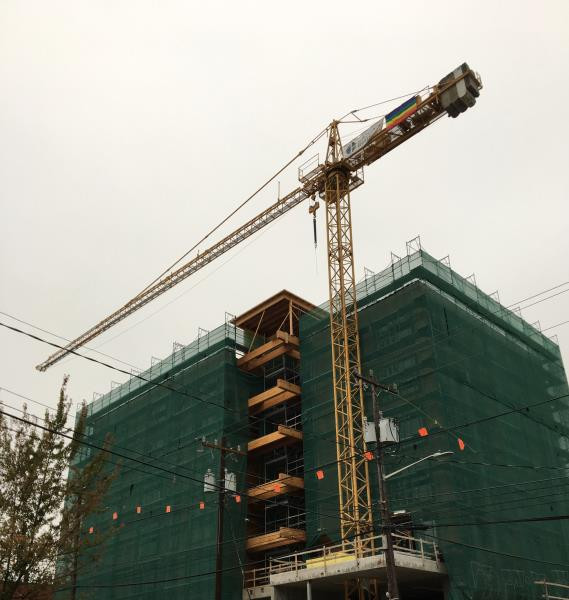
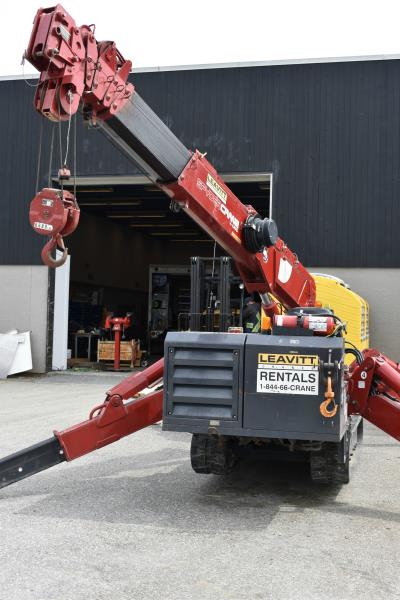
Terex: Terex Cranes Maine - In the crane industry, the all-terrain crane is a luxury type of a mobile hydraulic crane. The reputation of this crane is like driving a Range Rover or a Hummer on pavement. All-terrain cranes are considered to be a hybrid between a rough terrain crane and mobile truck crane. Another remarkable feature of this specific machinery is its multi-functional ability to be able to navigate through all kinds of off-road terrain. Amongst the main selling characteristics of this specific crane is that it travels equally well at top speeds down highways. The First Rough Terrain Crane Grove launched the first rough terrain crane to the market in 1959. The crane was designed for the intended use of being a multi-purpose device for use on construction locations. The crane's tires have the industrial strength which is capable of handling all kinds of tricky terrain and can transport small loads in carry mode. In the 1970s, the 4 axle Super-RT 1650 model was launched by Grove. This unit has a 270 foot or 82.8 meter height under hook in production, in addition to a 135 ton lifting capacity. At the end of the day, the rough terrain crane would become the company's most remarkable machine over the years. The Crane's Disadvantages Amongst the major disadvantages of the rough terrain crane was the problem that it was not capable of being driven on public roads with any other traffic. Japan was the only country in the world that will make an exception to this rule. Additionally, another problem happened when the lowered boom on the crane tended to block the left and right views of the driver, depending on how the cap was positioned. These issues with the design of the crane ended up being both dangerous and severe and result in many accidents with RT cranes, particularly when turning. Thus, low-loaders, lowboys, flatbeds were utilized as the primary way of moving rough terrain cranes.
Wolff: Wolff Cranes Maine - The Evolution into Hydraulics The beginning of the Second World War forced society to become more creative in general. Even if the development and design of cranes has changed greatly, in this specific time these machines progressed significantly. These industrial machines changed the face of the construction industry. The first hydraulic crane was built in 1946 by crane manufacturer F. Taylor & Sons. This first model was not able to slew or luff and was just used by the company. When it joined with Coles during 1959, this model opened up the doors for a 42 and 50 Series. A Morris W.D. chassis is what the mobile hydraulic crane was initially placed on. The hydraulic crane by Taylor & Sons operated on a boom powered by a hydraulic pump as well as cylinders which were lifted and lowered by a hydraulic pump. Once the company was unable to use army vehicles as chassis for the equipment, they began production for designing their very own mobile hydraulic cranes. These very first machinery gained much praise and were heralded as amazing machines. They were supposed to be capable of rebuilding all which was damaged by bombs in the war. The cranes were responsible for helping put together nations, cities and individual homes. Hydraulic systems became designed more and more complex. The gear and pump systems can be powered while the trucks remained immobile. Companies such as Hydrauliska Instustri AB made the very first truck loader crane appearance on the market. The A2 crane was introduced during the year 1952. This unit was mounted directly to the rear of a Chevy truck. It was complete with hydraulic lifting cylinders and a hooked winch. This specific loader crane started a huge trend within the industry. A company located within Bremen, known as Atlas Weyhausen began manufacturing similar versions of this specific machine. Immediately after, cranes were becoming more advanced. Various companies and manufacturers making the winches developed precise telescopic booms, and the hydraulic pumps were improved and utilizing various materials so as to change the way the crane was developed.
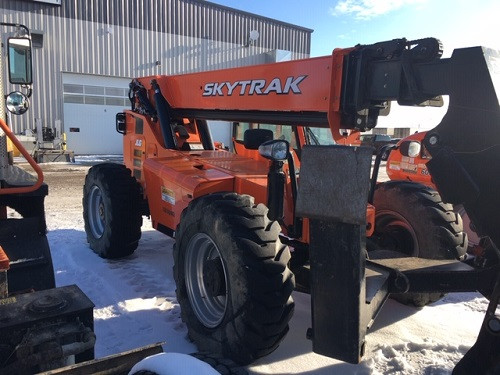
Manitou: Manitou Zoom Boom Maine - Telehandlers over the past ten years, is also known as variable reach rough terrain forklift, has gained great fame within the material handling industry. With excellent reason, these specific machines have become the gem of the construction industry. These types of equipment are versatile, really strong and useful. As some manufacturers and units has exploded over the last 5 years or so, there are now a number of these machinery readily offered on the market. In technical terms, a telehandler is considered to be an ITA* Class 7 Powered Industrial Truck. This description means it is a rough terrain forklift, but just in name only. Any of the similarities between a telehandler and a vertical mast type forklift literally ends on sight and on operation. There are some other major distinctions between the two machinery discussed below. Compared to a vertical mast, a telehandler has an entirely different appearance since it is designed with a horizontal boom. A telehandler with a jib attachment from a distance could resemble more of a crane than a forklift. The boom is able to telescope or extend and retract as long as 30 feet and beyond depending on the specific model. The boom is also able to elevate to an angle from horizontal to around 70 degrees. Telehandlers have earned the nickname of "zoom booms" because of their ability to telescope. This name has become rather famous with the operators. "Transaction" is another optional boom related function. Telehandlers that are outfitted with this option have a boom that is mounted on the chassis in such a way that when the operator starts it, the whole boom to travel forward and back, especially for distances up to eight feet or so. One of the major advantages of this function is that it enables the forks to be cleanly withdrawn from a load and the forks could be inserted underneath cleanly, regardless of the boom angle. The construction business have been revolutionized by zoom booms. They can accomplish numerous types of jobs that used to take a lot more man-power and time to finish.
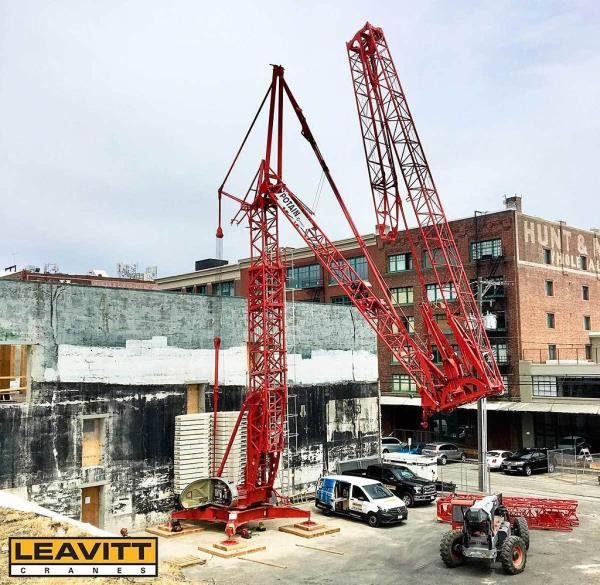
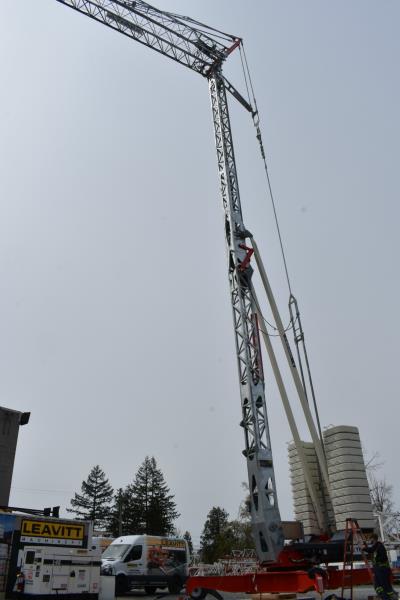
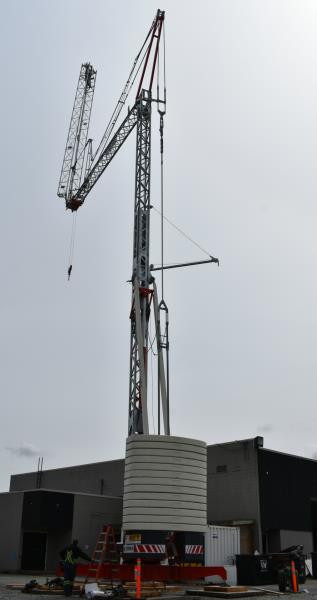
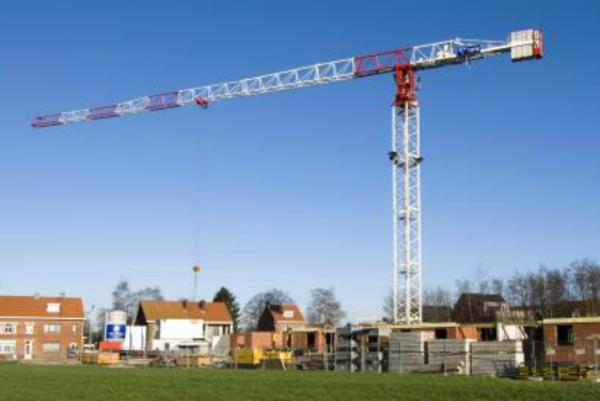
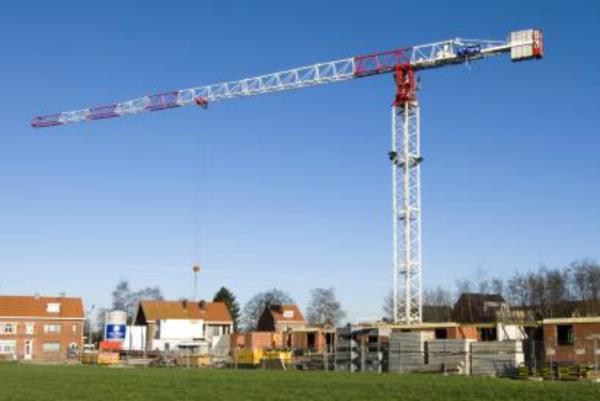
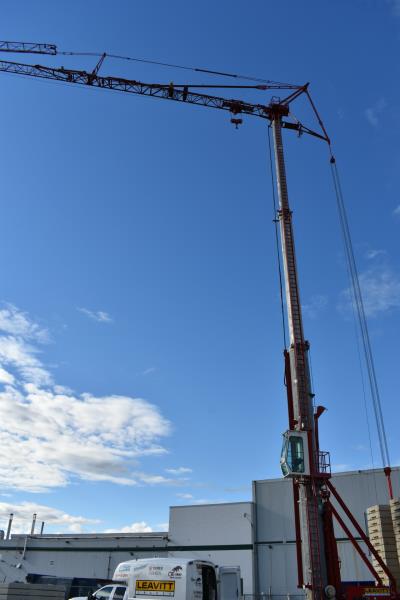
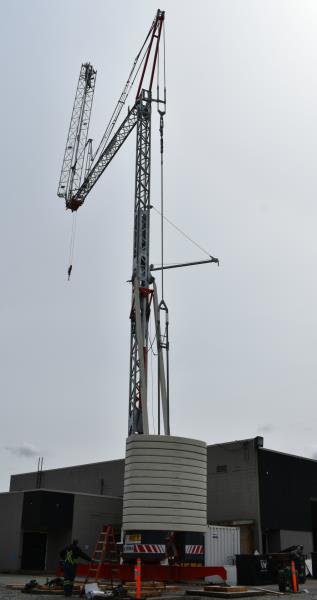
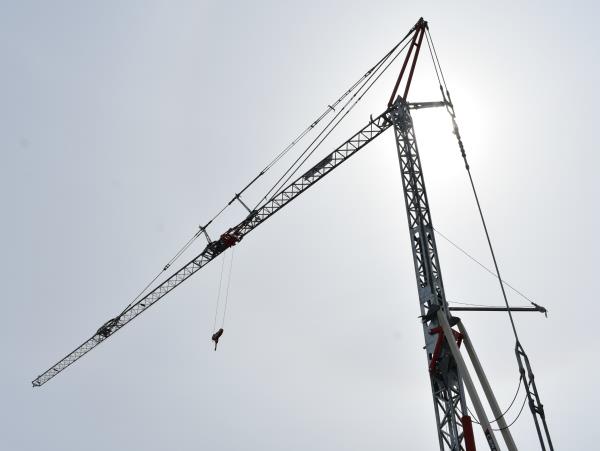
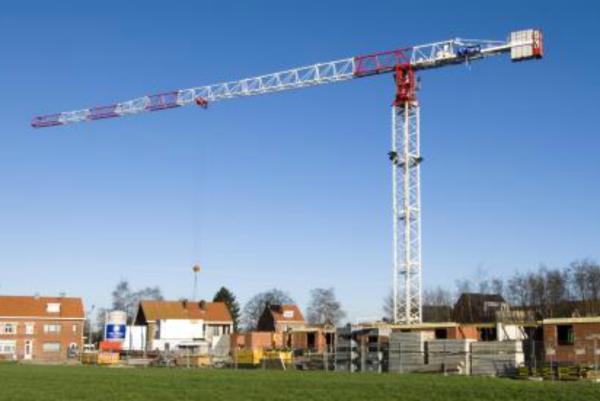
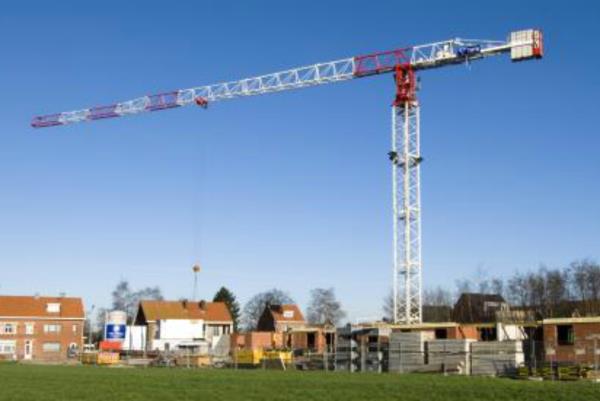
Potain: Potain Construction Cranes Maine - Potain is a world leader in the business of construction cranes. This is a particular brand that belongs to Manitowoc. They specify in offering cranes for the building construction industry. Some of the ranges and service news regarding Potain cranes consist of: tower cranes, crane operators training programs, building site reference, second-hand cranes, and crane equipment innovations, amongst many other things. There are a lot of different realities within today's global marketplace; the customers these days no longer accept any "one-size-fits-all-solutions" to suit all their needs. Manitowoc is committed to assisting their customers meet their really specific and diverse requirements. The company is completely structured in order to meet the diverse needs for different tasks and regions in order to serve their broad customer base. Potain produces a wide range of machines like: Grove mobile hydraulic cranes, Manitowoc-lattice boom crawler cranes, Potain tower cranes are services and National Crane telescoping cranes, manufactured and sold at many locations on 5 different continents. To be able to maximize functionality and value, basically all Manitowoc products are built and designed as modular base units that have the capacity of for add-on components that can be added on in order to maximize their performance. Last of all, each product has been engineered with features which meet the needs of different regions. Like for example, they provide simplicity, along with dependable and efficient performance in the harshest of settings as well as suit the requirements of worldwide transportation regulations. Manitowoc Finance offers numerous reasonable financing alternatives for their clients, which helps their clients facilitate obtaining the right type of machinery, and allows the company to tackle profitable new opportunities when they happen. Moreover, once their customers are in the field, Manitowoc's Crane Care provides comprehensive service packages. They are available to assist and have professional repair and diagnosis available at your side. All maintenance is performed by qualified local representatives who speak the native language of where help is being called from. These experts have the ability and knowledge to return your machine to lucrative operation with a short amount of downtime.
CAT: CAT Telehandler Maine - To make certain that safety is a top priority, there are 5 important steps. In order to make sure that the unit is visually safe, the initial step is to perform a Walk-Around Inspection. Next check if the worksite is safe to operate in with a Worksite Assessment. The Function Test is the third step in order to know whether or not the model is working safely. The 4th thing to consider is Proper Operation, in order to determine whether or not the model is operating safely. Lastly, Proper Shutdown must be checked so as to make certain the unit is capable of shutting down correctly and is in a safe place. There is a machine that lifts heavy weights to impressive heights upon a triangular footprint at the center of the 5 steps and this regulation. The key goal is to maintain the telehandler upright, but for sure there are risks. The telehandler's triangular base consists of the two front wheels and the rear-axle pivot point. The rear axles often oscillates, thus the rear wheels are not considered part of the base. The telehandler remains upright as long as the center of gravity of the equipment, which is defined as the point in 3 dimensions around which the equipment's weight is balanced, stays oriented inside the stability triangle. When the boom is down, adding a load to the forks at that time changes the center of gravity down and forward. Raising the load would change the center of gravity upwards and to the rear. At the same time, when this occurs, the stability triangle shrinks. Hence, the higher you lift a load, the less of a margin for error you have because the stability triangle lessens. With a small but stable stability triangle, it leaves less room for the center of gravity to move right or left. This wandering action could change the stability triangle, leaving less room for the frame to remain balanced if it is not perfectly level. Like for instance, imagine the center of gravity resembling a plumb bob hanging from the boom. You can always find the center of gravity someplace on a totally vertical line between a point on the boom and the center of the ground. If the frame is not level, the center of gravity would not be oriented over the centerline of the machine. The stability triangle is continuously aligned with the equipment's centerline.
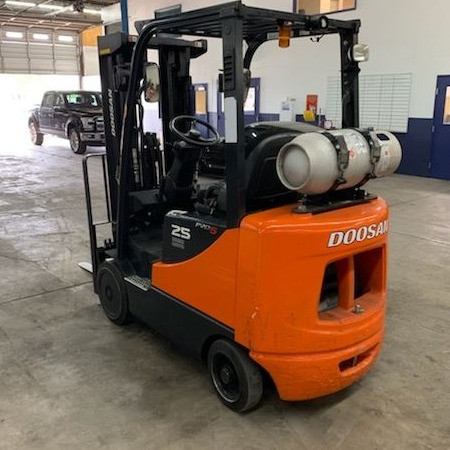
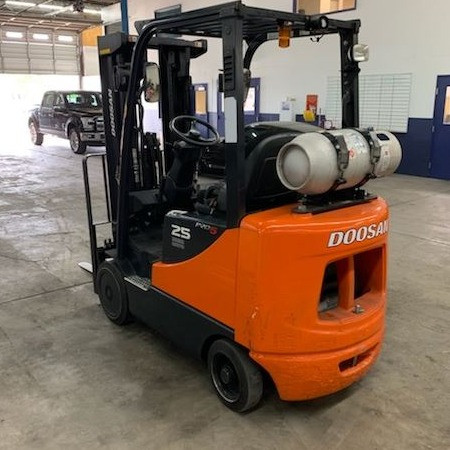
Doosan: Doosan Gas Forklifts Maine - The turning radius on a lift truck is also known as the turning circle. This information is essential for a machinery driver to have. It gives the driver the knowledge of how much space is required to turn the lift truck around. For instance, a tighter turning radius allows the machine to operate successfully in restricted places and congested areas, therefore enhancing the forklift's maneuverability. Operators who do not know this measurement could cause damage to the equipment or to the property. Prior to checking the turning radius, check the steering geometry alignment and correct it if it requires adjustment. Start the test with having the trained driver inside the cab to control the equipment's functions. A second person on the ground utilizes a hose or a spray bottle to wet the outside and inside of the unit's wheels. Then, drive the equipment in a complete circle with the wheels turned to the maximum angle. Repeat the process once and continue if necessary to wet the wheels. Once this measurement test has been completed, measure the watermarks left by the tires utilizing a tape measure, from the tire mark's midpoint to a similar point across the diameter of the circle. For the outside turning diameter, measure the watermark left by the outside tires from one side of the circle to the circle's opposite side. You could determine the inside turning radius by stretching the tape measure across the circle left by the inner tires. Next, divide these numbers in 2 in order to establish the turning radius. Be sure to note that the turning center is the midpoint of the circle's diameter. In order to determine the wall-to-wall turning diameter, drop a plumb line from the extreme outside radial extension on the equipment. After this is accomplished, the next step is to locate the point on the pavement directly beneath. This point to the turning center indicates the equipment clearance radius. As a rule, wall-to-wall turning diameter is twice the clearance radius of the vehicle.
Jungheinrich: Jungheinrich Lifts Maine - The material handling company Jungheinrich manufactures and offers more than 600 different machinery varying from forklifts, pallet trucks and order pickers. We provide a huge range of solutions for any operation regardless of lifting height, transport distance or type of surface. For more information, click on the product group relevant to your requirements. The hand pallet truck variety of Jungheinrich products will run from the more traditional 2,200 kilogram payload hand pallet trucks all the way to scissor pallet trucks. These types of trucks come in partial or full stainless steel or galvanized models. Whatever your particular requirements, we can offer a cost-effective solution. The pallet trucks designed by Jungheinrich have been specifically engineered for their distance needs. For short distance transport requirements, pedestrian trucks are ideal. For medium-range requirements, we provide combined pedestrian/stand-on equipment. For distances which are longer, the stand-on/seat truck is really an ideal option. Payload capacities vary from 1,600 kg to 3,500 kilograms. You are guaranteed to find the least expensive solution for your operations. Jungheinrich provides customized stacking solutions for any lifting height. Heights can reach up to 5,350 mm and payload capacities of 1,600 kilograms to 3,000 kg. For short distances, pedestrian trucks are great, while for both longer and medium distances, we suggest the combined pedestrian/stand-on stacker or the stand-on/seat truck. With such a huge array of alternatives, you are certain to find the best solution for your lifting needs. For indoor and combined indoor/outdoor operations, Jungheinrich provides electric counterbalance trucks with payload capacities which range from 1,600 kilograms to 5,000 kilograms in the following models: the rear-wheel drive, compact Series 1 EFG, the high-traction Series 2 EFG and the Series 3, 4 and 5 four-wheeled forklifts.
Kaldnes: Kaldnes Large Capacity Forklift Maine - The effortless maneuverability in close proximity combined with smooth load control is obtained through the forward positioning of the cab. This particular design allows maximum through-mast visibility all the way to the fork tip and the load. The drivers' visibility is optimized by utilizing huge glass panels situated on the rear, the top, the front and the sides of the cab. Kaldnes Lift trucks have been carefully designed to achieve the utmost comfort and safety for the drivers who rely on them. The large capacity forklift units provided by Kaldnes range from 42,000 kilograms to 46,000 kg. This superior range of multi-purpose "heavy" trucks brings a great variety to the industry of extremely heavy load handling, found in a variety of container terminals and various other heavy industries. This equipment range boasts an ultra-wide mast design. This feature combines terrific panoramic visibility with torsional strength. What's more, the cab is centrally mounted in a resilient manner to provide amazing visibility all around. This supreme visibility is particularly important when handling large awkward cargo. These machines offer an easier access to the cabin with a wide step. It also offers a low profile chassis that is incorporated into the equipment simple design. The cabin offers a very functional layout to facilitate precision control of the traction functions and hydraulic functions. This forklift truck has been designed to be very versatile and adaptable to handle the ever changing needs of the material handling industry. Extra attention has been paid to the ergonomics of the machine in order to keep the drivers as alert and comfortable as possible during their long shifts. These machines are outfitted with various safety features like neutral start interlock. This is an important system that helps prevent unintentional starting while the machine is in-gear. Drive system inhibitors are set in place to prevent reverse direction operation and incorrect downshift when the vehicle is in motion. Monitored system warnings are announced by the master warning lamp that is mounted on the steering column for immediate attention. There is an extensive dealer network providing a large list of Kaldnes Lift Trucks. They offer a thorough material handling solution, from diesel and electric-powered counterbalance lift trucks to warehouse equipment, and liquid propane gas units. Amongst the important attributes of the Kaldnes Lift Trucks range comprise: durability, power, a long working life, extended reach, optimum operator ergonomics and operating economy. Kaldnes Lift Trucks proudly offer the highest instant parts availability within the business, 97% and even higher for the latest production units. Whatever load you have to lift and wherever the application takes you, Kaldnes Lift Trucks will offer a material handling solution that will certainly maximize your return on investment, regardless of how small or large your operation is. There is a Kaldnes lift truck which is available to deal with warehouse products and to deal with each and every type of warehouse activity. Like for example, the company manufacturer's turret trucks, pallet trucks, reach trucks and stacker trucks as well as order pickers. Kaldnes makes amongst the most complete and widest varieties of warehouse equipment ranges offered on the market.
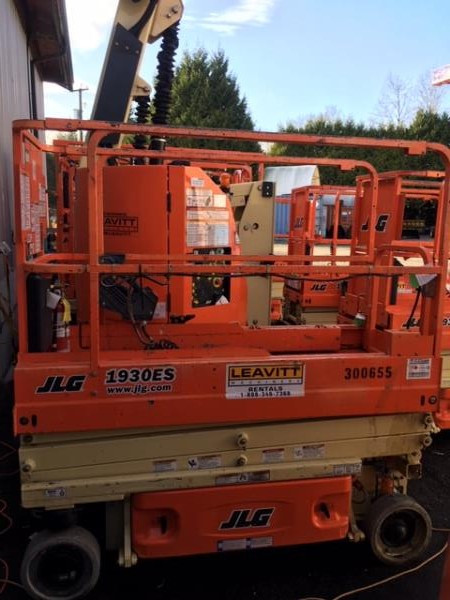
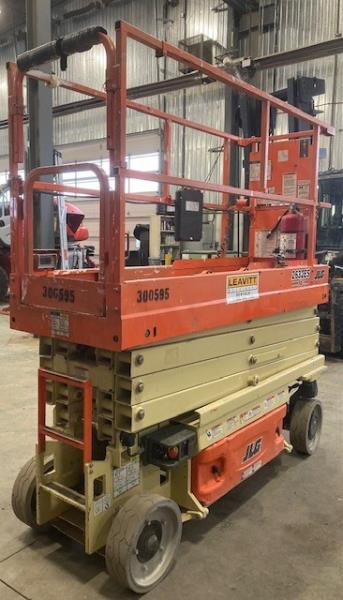
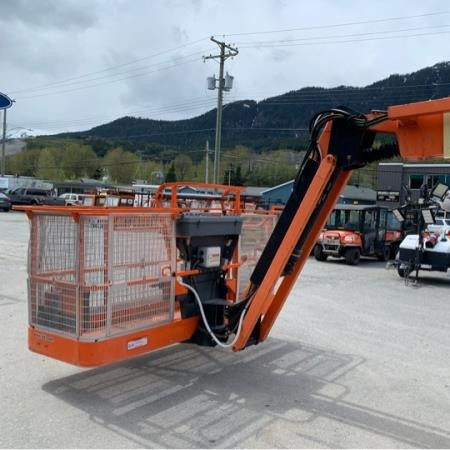
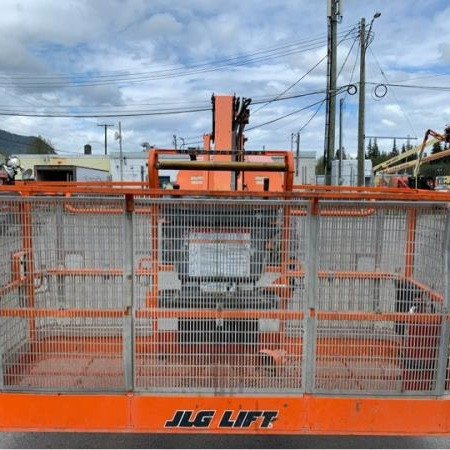
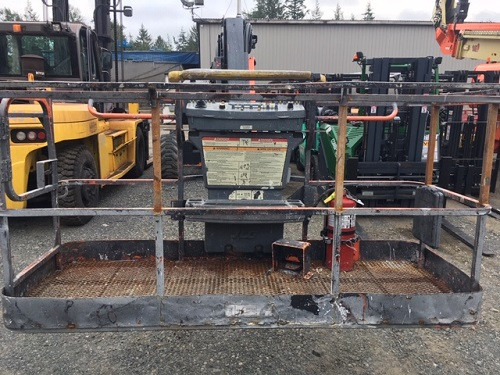
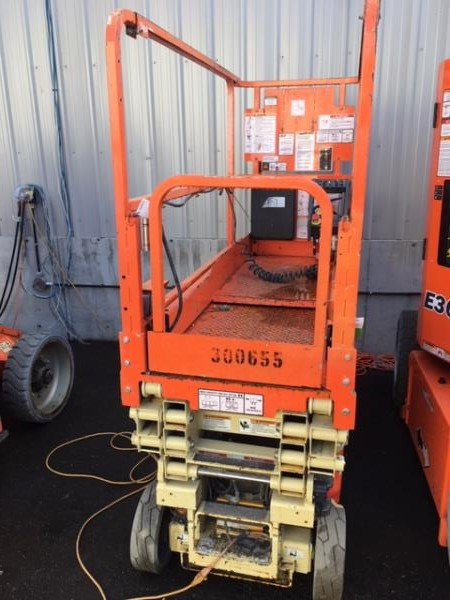
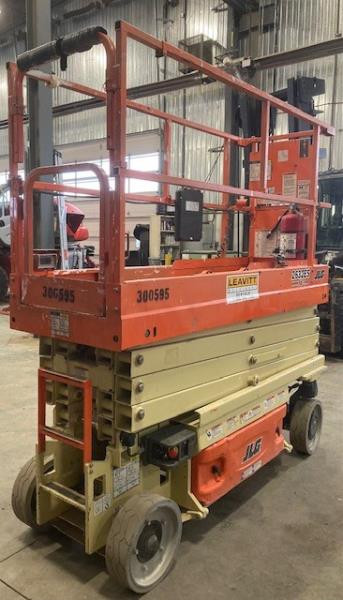
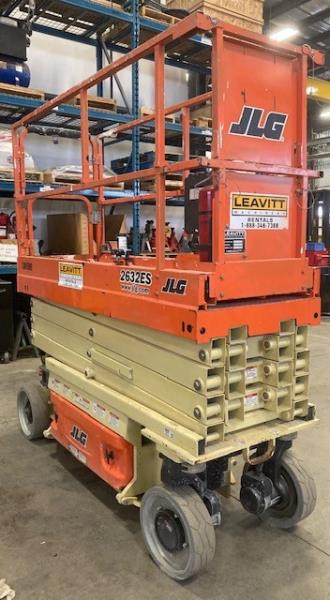
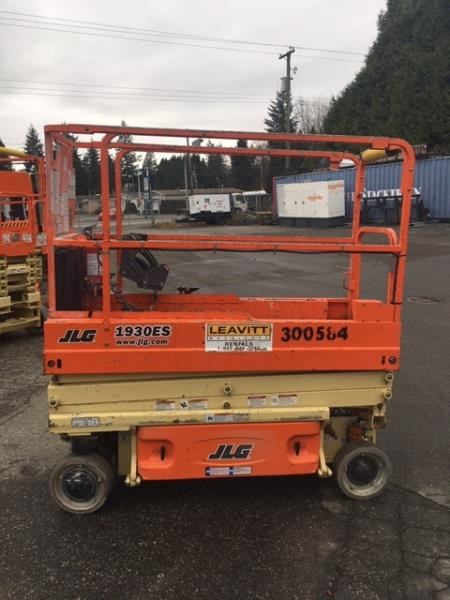
JCB: JCB Aerial Lifts Maine - Aerial Work Platforms AWP or aerial work platforms are designed and engineered to raise workers and their gear to a particular height in order to finish a job. The particular unit and manufacturer and kind of machinery all varies. Before aerial work platforms were developed, all tasks requiring work at high levels needed to be carried out with scaffolding. Hence, the invention of aerial work platforms has increased the overall productivity of similar jobs and kept many workers safe. The three key types of aerial work platforms are scissor lifts, boomlifts and mechanical lifts. These machinery could be operated with pneumatics, mechanically making use of a rack and pinion system or with screws or by hydraulics. These units may be self-propelled with controls situated at the platform, they may be unpowered models which require an external force to move them or be mounted to a vehicle in order to be transported. The aerial work platform was devised by John L. Grove, an American inventor and industrialist. However, during 1966, before JLG's very first unit, a company referred to as Selma Manlift introduced an aerial lift unit. John L. Grove and his wife decided to take a road trip during the year 1967. This was after selling his previous company Grove Manufacturing. They opted to make a stop at Hoover Dam. While the couple was there, Grove unfortunately saw 2 workers electrocuted while they were working on scaffolding. This terrible event led John Grove to discover an untapped market for a new product which could safely lift employees in the air for them to do construction and maintenance tasks in a better way. Once John returned home from his vacation, he purchased a small metal fabrication company and formed a partnership with 2 friends. They soon started designing ideas for the aerial work platform. The new business was named JLG Industries Inc. They proudly released their first aerial work platform during the year 1920 with the aid of 20 workers.